Microbiology of Rickettsia
General features: Small gram negative, aerobic, obligate intracellular (need CoA and NAD+) that infect mammals and arthropods. Non-motile, non-capsulated, non-sporing Contains both DNA and RNA Pleomorphic […]
Read MoreOnline Medical Magazine
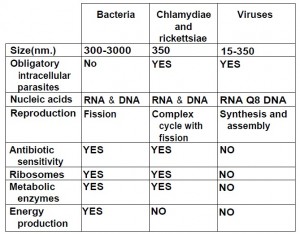
General features: Small gram negative, aerobic, obligate intracellular (need CoA and NAD+) that infect mammals and arthropods. Non-motile, non-capsulated, non-sporing Contains both DNA and RNA Pleomorphic […]
Read More
As defined by DSM-IV, Dissociative fugue formerly called psychogenic fugue is a rare condition characterized by sudden, unexpected travel away from home or one’s customary […]
Read More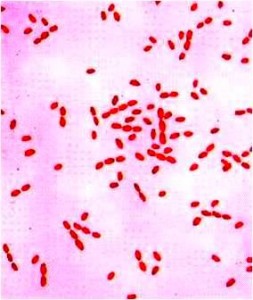
Brucella sp. causes brucellosis (also called as Bang’s disease in cattle, named for Bernhard Bang & Sir David Bruce who discovered Brucella and called as […]
Read More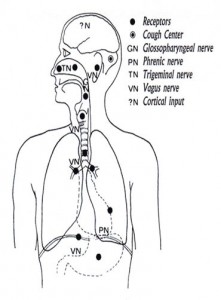
Receptors Extrathoracic: nose, oropharynx, larynx, upper trachea Intrathoracic: rapidly adapting irritant receptors in epithelium of lower trachea and large central bronchi Other locations: tympanic membrane, […]
Read MoreAnatomy Respiratory System Mnemonics: Mnemonics are excellent method for memorizing Anatomy. Anatomy may not always be easy to understands or remember, so here are few […]
Read More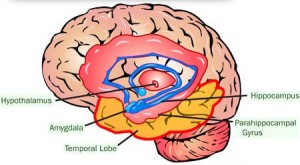
When you see familiar faces, But you don’t remember where they’re from, When you’ve been particular places, That you know you’ve never been before, Ever […]
Read More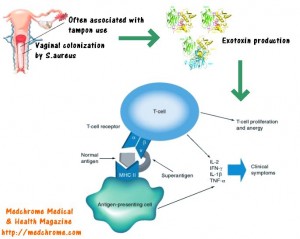
Toxic shock syndrome (TSS) is a toxin mediated, rare, life threatening, systemic illness caused due to infection of Staphylococcus aureus (staphylococcal toxic shock) and Streptococcus […]
Read More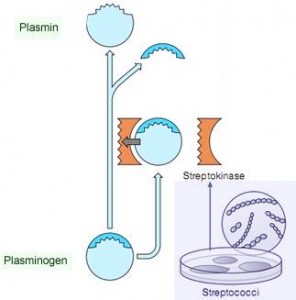
Enzymes are the extremely selective biocatalysts synthesized by living cells. Therapeutic enzymes are those enzymes which can be used medically either isolately or adjunctly with […]
Read More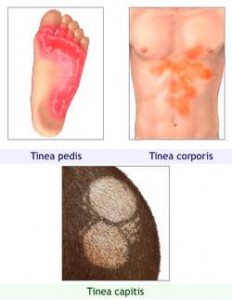
Dermatophytosis: Tinea or ringworm (dermatophytoses) are defined as cutaneous fungal infections of keratinized tissues (hair, nail, skin,etc.) by a group of related mould fungi called […]
Read More