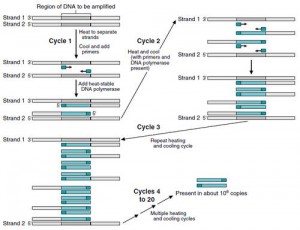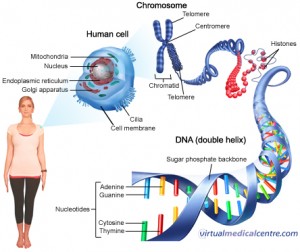
The Polymerase Chain Reaction (PCR) is an invitro method of DNA amplification that can rapidly clone (amplify) DNA samples as small as a single molecule. If a length of DNA is mixed with the 4 nucleotides (A, T, C and G), and the enzyme DNA polymerase, then the DNA will be replicated many times. Developed in 1983 by Kary Mullis, …
Articles in: Biochemistry
Home » Archive » BiochemistryPolymerase Chain Reaction: Principles and Uses of PCR
June 21, 2011 # 10:58 pm # Biochemistry # 5 CommentsTherapeutic Use of Enzymes
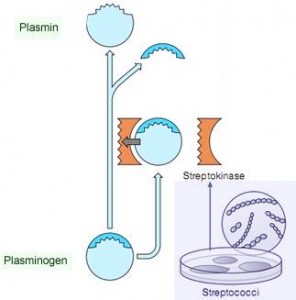
December 14, 2010 # 9:34 pm # Biochemistry, Pharmacology # No CommentEnzymes are the extremely selective biocatalysts synthesized by living cells. Therapeutic enzymes are those enzymes which can be used medically either isolately or adjunctly with other therapies with the purpose of treatment of various diseases safely. Use of these enzymes as drugs for the treatment of medical problems forms the basis for “Therapeutic use of enzymes”. The cost of such …
Isoenzymes and their Diagnostic Importance
November 27, 2010 # 1:23 pm # Biochemistry # No CommentIsoenzymes:
Also called isozymes
Are multiple forms of an enzyme that catalyzes the same reaction
Arise through gene duplication
Differ in their physical and chemical properties, Km and Vmax values, optimum pH, substrate affinity, etc.
Lactate Dehydrogenase (LDH)
Lactate ←LDH→ Pyruvate
LDH is a tetrameric enzyme with 2 types of subunit “H” and “M” :
M (for muscle) : basic
H (for heart) …
CPT I Deficinecy
June 9, 2010 # 7:07 pm # Biochemistry # No CommentIntroduction, cause, symptoms, diagnosis, misdiagnosis and treatments of CPT I deficiency
Definition:
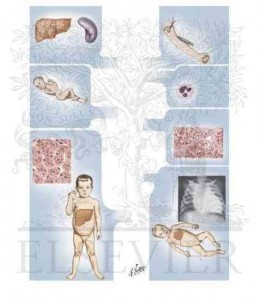
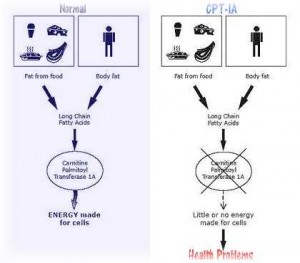
CPT I (Carnitine palmitoyltransferase I) deficinecy is a rare autosomal recessive metabolic disorder that prevents the body from converting certain fats called long chain fatty acids into energy and is generally associated with a viral illness and prolonged fasting. Onset is in infancy or early childhood.
Cause:
Homozygous mutation in the …
Subscribe RSS
Comment RSS