Understanding Cancer : Development, Signs, Treatment and Prevention

 This is a simplified article for non-medical readers to understand the development, signs, treatment and prevention of cancers. Before going into depth, it is necessary to understnad that cancer is a non-communicable disease and hence, does not spread through air, water or clothing. Cancer cells are abnormal for 2 reasons:
- Uncontrolled and disorganized multiplication of cells leading to formation of lumps and masses
- Detach from tumor and spread to other sites like lungs, liver, brains, etc. via blood or lymphatic route (metastasis)
Cells affected by cancer are called malignant cells and cancer itself is termed ‘Malignancy’ medically. In contrast to malignant tumors (cancers), benign tumors are encpasulated and stay at one place. The survival of patient depends upon how quickly the cancer is growing and time of diagnosis as well as the type of cancer and treatment available for the type. If a tumor is found before metastasis has occurred, the chances of a cure are greatly increased.
Types of Cancer
- Sarcomas: cancers of the connective tissue, muscle, bone and lymph
- Myelomas: cancers of the plasma cells in the bones
- Leukemias: cancers that begin in the bone marrow, spleen and lymph nodes
- Carcinomas: cancers beginning in tissues lining organs or tissues
- Lymphomas: cancers within the lymph system
Although cancer can occur in any organ, it is common in urinary bladder, intestine, uterus, skin, breast, liver , gallbladder, stomach, vocal cords and blood. The leading cancers are:
- Males: Prostate cancer, Lung cancer
- Females: Breast cancer, Lung cancer
- Children: Blood cancer (Leukemia), Brain tumors
Development of Cancer
Although not exactly known, one theory says that cancer development occurs in 2 steps:
- Initiation (Gene mutation altering cell reproduction)
- Promotion (Uncontrolled growth after initiation)
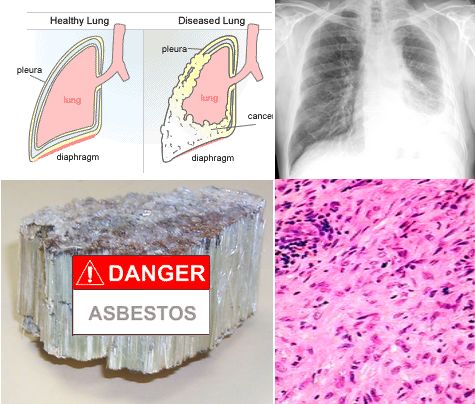
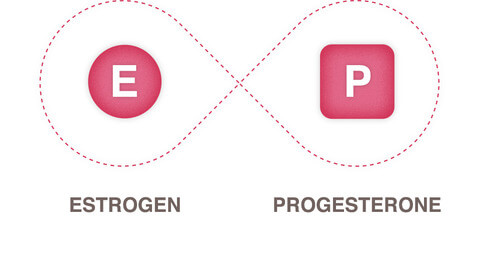
Initiators include mutagens like viruses (HSV, HPV), excessive radiation, tobacco products, nutritional deficiency, certain chemicals and heavy metals, hormones, etc.
Some of the common promoters are heavy metal, low dietary fiber, immune system suppresors, diet rich in saturated fats and cholesterols, etc. If you developed cancer due to constant exposure to radiation from a government project or facility, you may seek compensation based on reca.
Warning Signs
- C hange in bowel or bladder habits
- A sore that does not heal
- U nusual bleeding or discharge
- T hickening or lump in breast or elsewhere
- I ndigestion or difficulty in swallowing
- O bvious change in wart or mole
- N agging cough or hoarseness
Cancer Treatment
Surgery
Tumors can be surgically removed, but the risk of metastasis and malignancy persists. When a growth is malignant, surgery is often preceded or followed by radiation therapy and/or chemotherapy.
Radiation therapy
Radiation destroys the more rapidly dividing cancer cells but causes less damage to the more slowly dividing normal cells. The use of radioactive protons is preferred over X ray because proton beams can be aimed directly at the tumor, like an automatic rifle hitting the bull’s-eye of a target.
Chemotherapy
Chemotherapy is the use of drugs to kill the more actively growing cancer cells.
Immunotherapy and Gene therapy
Immunotherapy and gene therapy are new, experimental ways of treating cancer. Immunotherapy is the use of an immune system component to treat a disease. For example, cancer patients are sometimes given cytotoxins, chemicals released by lymphocytes, a type of white blood cell. Gene therapy is the substitution of “good genes” for defective or missing genes in order to treat a disease.
Cancer Prevnetion
- Avoiding excessive sunlight reduces the risk of skin cancer
- Abstaining from smoking cigarettes and cigars reduces the risk of lung cancer, as well as other types of cancer.
- Exercise and a healthy diet:
-
- Lowering the total fat intake
- Eating more high-fiber foods
- Increasing consumption of foods rich in vitamins A and C
- Reducing consumption of salt-cured and smoked foods
- Including vegetables of the cabbage family in the diet
- Consuming moderate amounts of alcohol