Top 10 Deadliest Disease of past Centuries: CoViD19 added
We are rewriting this article as the history has rewritten itself with the new dreadful global pandemic. Corona viral disease SARS-COVID has been most contagious and Lethal disease our generation has witnessed along with the New Swine Flu epidemics in during this decade.
If we look into the past, in intervals of time, Deadly diseases have almost engulfed human beings. Thanks to medical science which has been working hard during these times to create vaccines, medicines and remedies for these diseases. It’s also incredible the huge strides forwards that we are making with vaccines, and this is in a large part down to the quality of the viral vector manufacturing that is done.
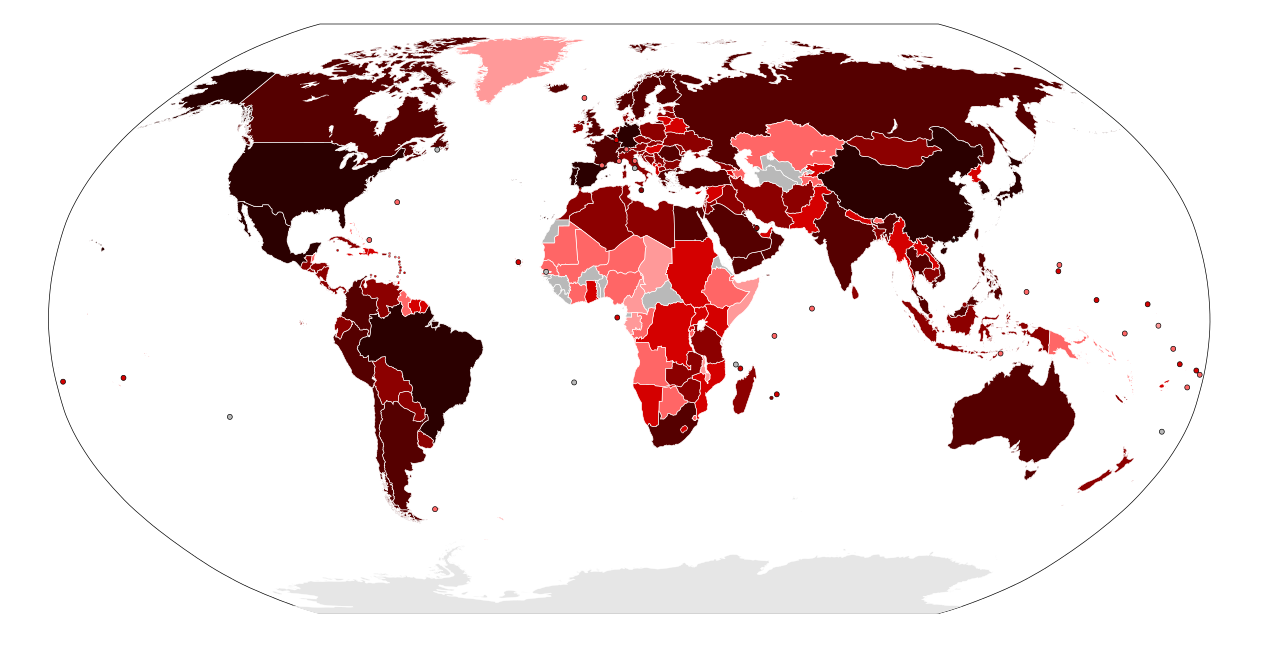
Novel Corona Virus Disease- nCOVID: Has today by date 16+ million people worldwide. The highly contagious diseases Started in Wuhan China and is speculated to be originated from Bats or Reptiles like Snake. Humans have yet to understand the disease and proper treatment and vaccines has not been released.
Data by today
Similarly Swine flu: The critical moment for the 2009 outbreak was between 1990 and 1993. A triple reassortment event in a pig host of North American H1N1 swine virus, the human H3N2 virus and avian H1N1 virus generated the swine H1N2 strain. In 2009, when the virus H1N2 co-infected a human host at the same time as the Euroasiatic H1N1 swine strain a new human H1N1 strain emerged, which caused the 2009 pandemic.
Here are list of deadliest diseases, the World has experienced.
1. Smallpox
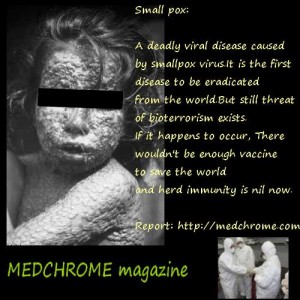
By some accounts, smallpox is considered to have killed more people than any other infectious disease. However, thanks to the discovery of the smallpox vaccine, the last known naturally contracted case of the disease was in 1977, according to the World Health Organization (WHO). During its deadliest years, this highly contagious disease killed as many of 30 percent of people who contracted it. Those who survived were often blinded or marked with deep scars.
Despite its eradication, smallpox may still pose a threat today, if released as a biological weapon.
2. Spanish Flu
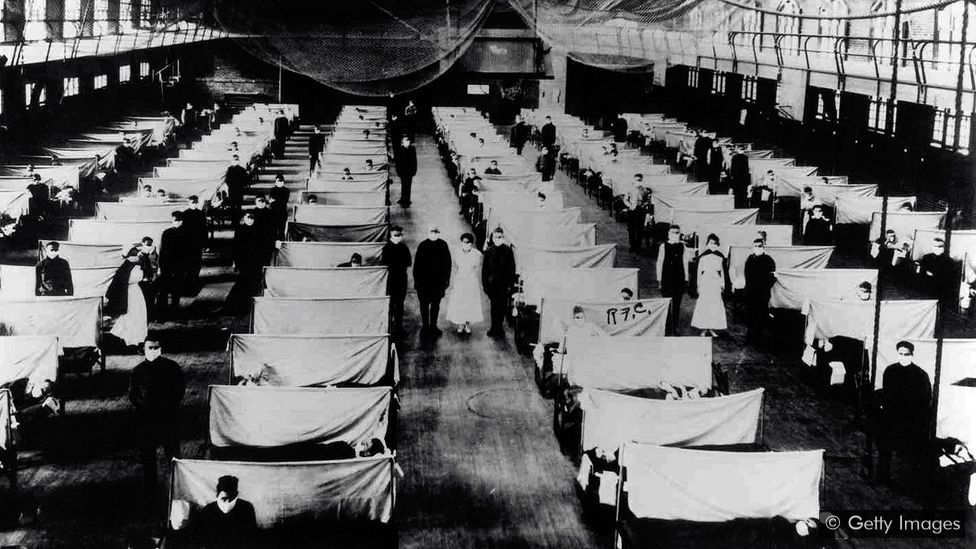
In 1918, the so-called Spanish flu struck quickly and catastrophically. The first reports of the illness came from Spain, but it affected countries around the globe. Some experts put the death toll for that single year as high as 50 million people worldwide. Patients usually took on a bluish hue hours before dying, most likely due to insufficient oxygen. Autopsies revealed that their lungs filled with fluid, causing a drowning-like death. Unlike most types of influenza, which hit children and the elderly hardest, this strain proved deadly even for young adults. Scientists continue to study the Spanish flu to this day, trying to determine exactly what made it so deadly and if it could happen again.
3. The Black Plague
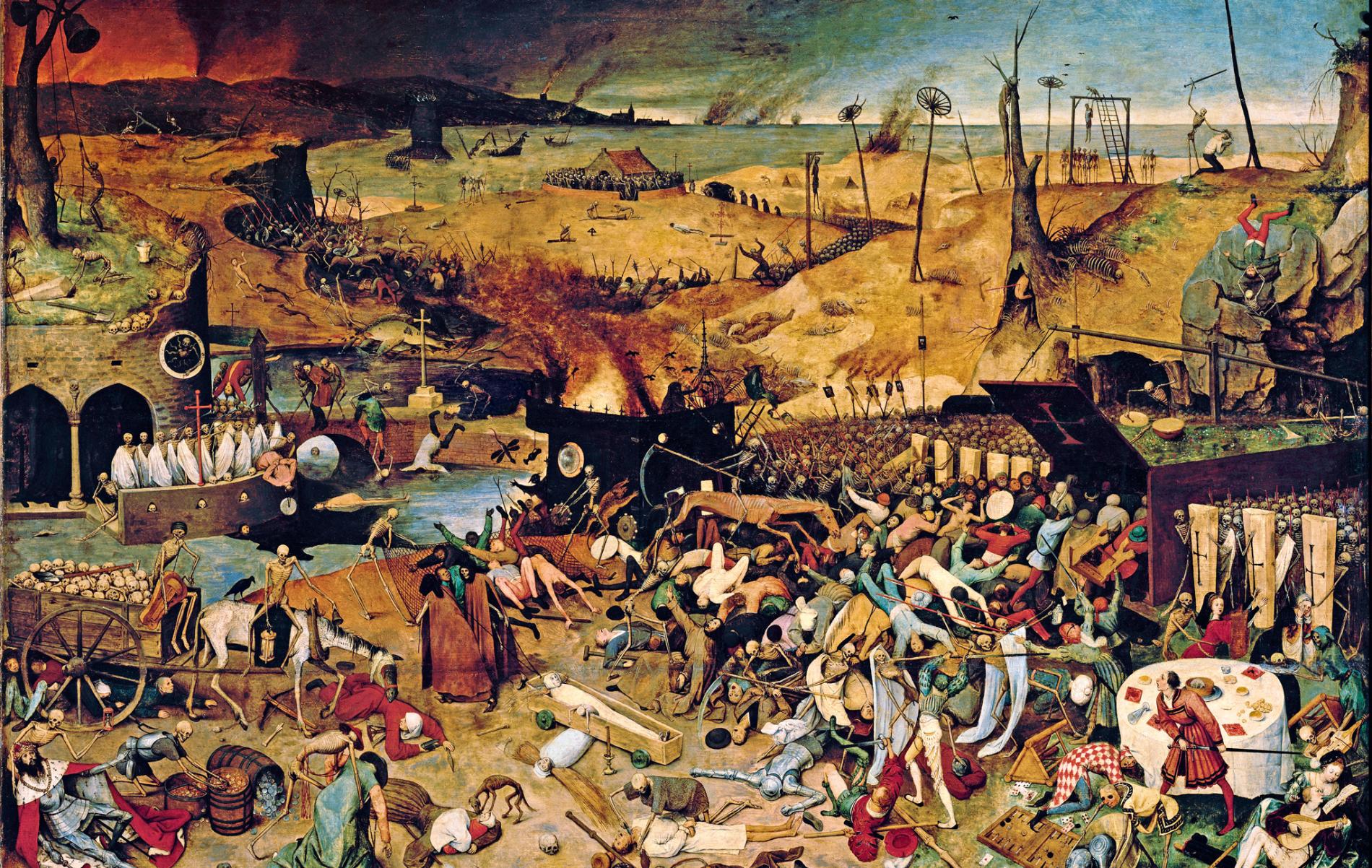
Also known as the black death, this is the plague that kept coming back. At its most deadly, the black plague is thought to have killed 25 million people in Europe about a third of the population from 1347 to 1350. The high death toll from the black plague, so named for the black boils it left on the body, is believed to have actually been a result of three similar illnesses: bubonic, septicaemic, and pneumonic plagues. The scourge swept through Europe, killing millions more, on other occasions throughout the next several centuries. However, in no instance did its severity match that of the black death of the mid-14th century.
4. Tuberculosis
The 1905 Nobel Prize in Medicine went to Robert Koch for “his investigations and discoveries” relating to tuberculosis (TB), according to the Nobel Foundation. However, more than 100 years later, TB still kills nearly 2 million people a year and is ranked as the eighth leading cause of death worldwide by the WHO. Symptoms including severe coughing, fever, chills, and fatigue. People with weakened immune systems are especially susceptible to TB; in fact, it’s the number-one killer of AIDS patients. In 2007, Andrew Speaker, an Atlanta lawyer and TB patient, made headlines for flying from Europe to Canada, despite being instructed not to do so for fear of infecting fellow passengers.
5. Malaria
Caused by a parasite and transmitted when a person is bitten by an infected mosquito, Malaria remains a serious problem in parts of Africa, although it has been nearly eradicated in the United States. According to the Centers for Disease Control and Prevention (CDC), more than 1 million people die from it annually, and as many as 500 million people are infected each year. The flu-like symptoms appear after 10 to 15 days after being bitten. Malaria can be treated with medication, if caught soon enough.
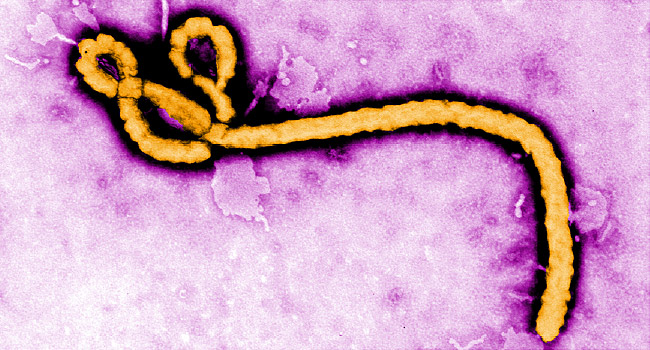
6. Ebola
This virus is a relatively new deadly disease that has been known to kill up to 90 percent of its victims. It first appeared in 1976, in Sudan and Zaire. It can be transmitted from person to person or by handling materials from an infected animal. Its early symptoms include fever, headache, backache, vomiting, and diarrhea; eventually it can cause inflammation and swelling of nearly all major organs. Most people die from shock, when their bodies stop getting enough blood flow.
7. Cholera
Cases of cholera are rare today, due to advancements in water treatment and sewage systems. However, in the 19th and even early 20th centuries, cholera epidemics struck several times. The disease, which is characterized by watery diarrhea, can kill a healthy person as soon as two to three hours after the onset of symptoms, though it usually takes several days. Although cholera is still present today in parts of the world that have been ravaged by war or famine, it generally doesn’t pose a problem when clean water and proper sanitation is available. A vaccine, which lasts for up to six months, is available for people traveling to areas where cholera may be a concern, though some experts question its necessity and effectiveness.
Small Pox:
It’s on alltime top list,
Small pox had once devastated the human civilization. As you said, there’s still a threat and if it occurs again.. it could abolish the human race from many areas due to fact that no one is now immune to pox virus
I’m finding your articles to be very well written and informative. What an eye opening article. I did not expect to see that small pox remains the number 1 most deadly of all diseases. Also the specter of it being used as a biological weapon horrifies me.
Yes ,
Nice to find you reading my blog again after years, timethief.
great post as usual!