November 20, 2011 # 4:35 pm # Microbiology # No Comment 
Mycobacterium Tuberculosis Complex (MTC):
Mycobacterium tuberculosis
Mycobacterium bovis
Mycobacterium microti
Mycobacterium africanum
Mycobacterium canettii
General Characteristics:
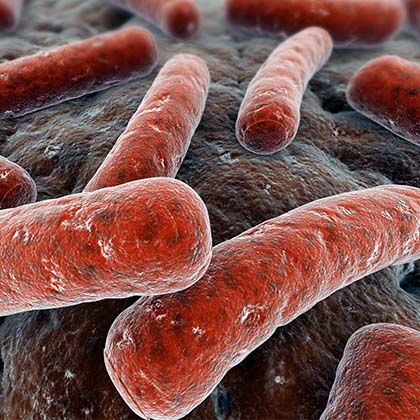
Nonmotile, nonsporing and noncapsulated bacillus arranged singly or in group
Has a complex peptidoglycan arabinogalactan mycolate cell wall that is approximately 60% lipid, resulting in acid-fastness, poor Gram staining (weakly gram positive), and resistance to drying and many chemicals
Mycobacterium tuberculosis appears slender, straight or slightly curved rod with beaded or barred appearance …
October 31, 2011 # 9:55 pm # Pathology # 2 Comments 
Definition:
Rheumatic fever (RF) is an acute, immunologically mediated, multisystem inflammatory disease involving heart, joints, CNS, skin and other tissues that occurs a few weeks after an episode of group A β-hemolytic streptococcal pharyngitis. Acute rheumatic heart disease (RHD) is the cardiac manifestation of RF and is associated with inflammation of the valves, myocardium, or pericardium. Rheumatic fever is said to “lick …
October 20, 2011 # 9:57 pm # Physiology # 5 Comments 
Definition: Cardiac cycle refers to the cardiac events that occur from the beginning of one heart beat by spontaneous generation of action potential in SA node to the beginning of the next. When the heart rate is 75/min, the period of one cardiac cycle is 0.8 sec.
Important terms:
Diastole: a period of relaxation during which heart fills with blood
Systole: a period …
October 19, 2011 # 9:37 am # Pathology # One Comment 
The 4 Ischemic Heart Diseases caused due to imbalance between supply and demand of the heart for oxygenated blood are:
Acute Myocardial Infarction (MI)
Angina Pectoris
Chronic Ischemic Heart Disease (IHD)
Sudden Cardiac Death
Myocardial Infarction (MI) Commonly known as a heart attack, is an anemic infarct with coagulative necrosis of a large area of the myocardium due to occlusion of one of the three …